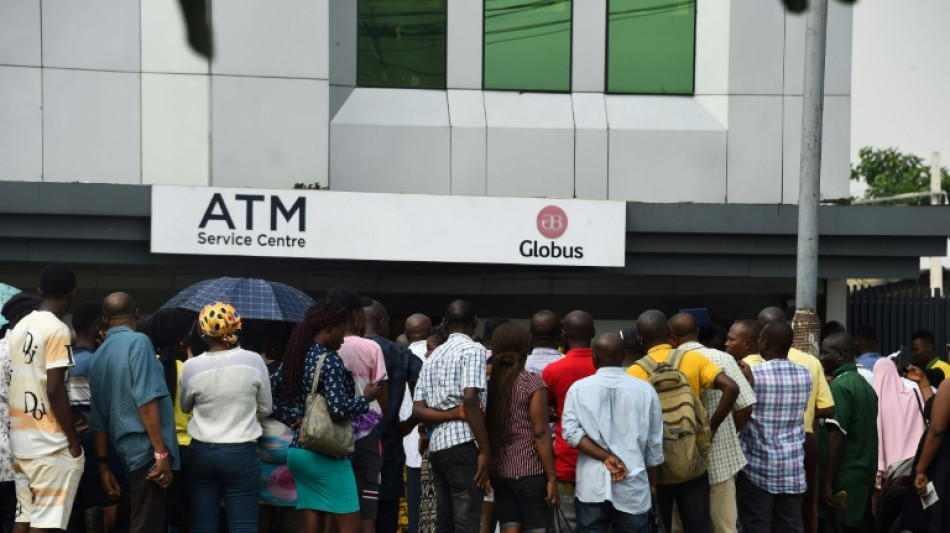
Protests break out in Nigerian city over cash shortages / Photo: PIUS UTOMI EKPEI - AFP

 British king reflects on colonial atrocities in Guyana

 Monaco taken off global money-laundering 'grey list'
 Tears, fear, anger: relatives of Spain train crash dead await fate
 Wall Street tech rout deepens on doubts over AI spending
 Relatives' anguish grows as Spain identifies train crash dead
 Markets lashed by tech rout as earnings fan AI fears
 Tech sell-off deepens as earnings fan AI fears

 BP net profit quadruples as Mideast war lifts oil prices
 Drugs giant AstraZeneca reveals higher profits, savings plan

 French economy 'headed for a wall' as GDP shrinks

 South Korea to prosecute students cheating with smart glasses
 Shock, vindication, regret: Scientists react to AI roiling life's work

 Britain's King Charles lands in ex-colony Guyana
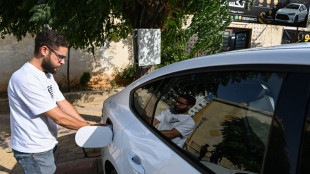 Dodging fuel price hikes, Damascus drivers turn to electric cars

 Lethbridge students learn how city transit and transportation systems work

 Horoscope for October 30, 2026: communication and patience shape the day
Angry bank customers burned tyres and blocked streets in a southwest Nigerian city on Wednesday in protests over scarcity of naira cash, police and residents said.
The protests in Ibadan, 130 km (80 miles) north of Lagos, were the latest in Africa's most populous nation over the central bank's push to replace old naira notes with redesigned new ones.
Banks have limited access to cash and ATM withdrawals because of a scarcity of new notes, and some businesses refuse to accept old naira, causing huge lines, angering customers and disrupting businesses.
The cash crunch comes as Nigeria prepares for a presidential election on February 25 when voters will chose the successor to President Muhammadu Buhari.
Oyo State police said protests broke out in some parts of Ibadan, the state capital, early Wednesday, but were soon brought under control.
"There were pockets of protest this morning by some aggrieved bank customers," spokesman Adewale Osifeso told AFP.
He said police were deployed to restore order but no arrests were made.
"Normalcy has since returned as the Command has taken all necessary action to forestall breakdown of law and order."
Local residents said the unrest started at Dupe, Mokola, Ogunpa, Apata and Iwo Road areas when angry bank customers began protesting because they could not access their money or change old notes to new ones.
"Major roads were blocked while banks, shops and other businesses were shut," local journalist Remi Feyisipo told AFP.
He said the protesters were also angry because traders, petrol stations and transporters were rejecting the old notes for transactions.
"The protesters made bonfires of used tyres... to disrupt traffic and movements."
The protest on Wednesday followed riots last week in the city where two people were killed in clashes, according to local media.
Tensions have flared in Nigeria since the central bank set a February deadline for depositors to change their old notes to new ones, leaving many people cashless and frustrated.
Many people working in the informal economy and in transport in Nigeria use cash for transactions rather than banking apps.
The central bank said the policy was aimed at mopping up excess and counterfeit naira from the system as well as discouraging cash ransom payments to kidnappers and bandits.
The policy was also to promote cashless transactions by limiting the use of cash for businesses.
But some state governments have taken the central bank to court, seeking an order to suspend the policy and allow Nigerians to use both the old and new notes until the banks are able to provide enough cash.
Riots broke out in Sango, near Lagos on Tuesday and in Abeokuta last week where a young man was hit by a stray bullet.
Two weeks ago, riots also erupted in northern Nigeria's largest city of Kano during a visit by President Buhari who has promised to look into both the cash and petrol shortages.
Y.Jeong--CPN