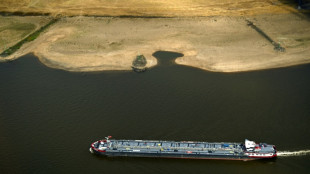
Rich EU consumers 'outsource' environmental impact to poorer neighbours / Photo: HERBERT PFARRHOFER - APA/AFP/File

 Relatives' anguish grows as Spain identifies train crash dead
 Markets lashed by tech rout as earnings fan AI fears
 Tech sell-off deepens as earnings fan AI fears
 BP net profit quadruples as Mideast war lifts oil prices
 Drugs giant AstraZeneca reveals higher profits, savings plan

 French economy 'headed for a wall' as GDP shrinks
 South Korea to prosecute students cheating with smart glasses
 Shock, vindication, regret: Scientists react to AI roiling life's work

 Britain's King Charles lands in ex-colony Guyana
 Dodging fuel price hikes, Damascus drivers turn to electric cars

 Lethbridge students learn how city transit and transportation systems work

 Horoscope for October 30, 2026: communication and patience shape the day

 Inkle buys Finally bookkeeping unit and expands India-based workforce

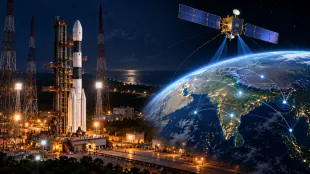 ISRO schedules NVS-03 navigation satellite launch for Friday

 'Star Trek', 'X-Men' star Patrick Stewart dead at 86
 Canada buying stake in AI firm Cohere to bolster tech sovereignty

 Grieving Spain demands answers for latest rail disaster

 Qatar prime minister tours Cityscape Qatar 2026

 Jazeera Paints showcases housing solutions at Build Your House 2026 in Qatar
 Google drags down Wall Street stocks
 Does White House ask AI to shape policy? Democrats want the receipts
Consumption patterns in wealthy European Union countries are having detrimental environmental impacts in poorer EU nations, a study Thursday found, exposing harmful inequalities on the continent.
The study looked at 10 key environmental impacts -- including greenhouse gas emissions, toxins in water and soil, air pollution and land use -- in supply chain countries and stacked them up against GDP levels in EU nations.
The negative impacts went beyond Europe -- Brazil, China, India and Japan were included -- but the most striking findings were on the continent.
"There are huge inequalities between the EU, and that was the surprising thing," said the study's co-author Klaus Hubacek from the University of Groningen in the Netherlands.
Poorer countries within the EU were affected, but also non-EU countries like Albania, Montenegro, Serbia, Ukraine and Moldova, said the study, published Thursday in Nature Sustainability.
"Eastern Europe consistently ranked as the region receiving the lowest share of economic value added compared to environmental pressures and impacts associated with EU consumption," the press release said.
The researchers studied a "giant matrix" of data from 1995 to 2019, Hubacek said, examining GDP growth related to consumption of things like food, clothing, manufactured products and services, compared to environmental impact.
They found that wealthier European nations saw a positive GDP impact, while "outsourcing" environmental impact to places providing consumer goods.
The impacts "increased notably outside the EU, while decreasing within the bloc," the study said.
Some of the environmental impacts come down to lax environmental laws in poorer countries, or reliance on older technologies and equipment that could be harmful or more polluting -- some of which would not be allowed in EU countries.
The impact was also seen within the EU.
Agricultural producers Spain and Greece, for example, saw disproportionate impacts on water, biodiversity and land use compared to the economic benefits from producing goods largely exported beyond their borders.
"It's a fascinating part of the picture that we have rich and poor, and winners and losers, within countries and regions," Hubacek told AFP.
He said consumers could shift consumption patterns -- eating less inexpensive meat from countries with lax environmental laws, for example -- but also called on the EU to roll out tougher import rules.
The research was initiated by Greenpeace, which wanted to examine the impact of the EU's Green Deal climate plan.
D.Goldberg--CPN