UK curbs energy bill support for businesses / Photo: Daniel LEAL - AFP

 German economy logs 0.2% growth, faster than expected
 China denies spying on Nvidia's Jensen Huang
 BP net profit quadruples on higher oil prices

 Malawi's fuel shortages, record prices deepen economic crisis

 The Duskbloods delayed as Nintendo Switch 2 release moves to 2027

 Tech firms take fresh hit as earnings misses fan AI fears

 Nvidia's web of AI bets: smart strategy or bubble risk?

 DoorDash shares rise as Instacart slips following $17 billion takeover plan

 Amazon cloud business accelerates but shares drop on profit miss

 PI Industries plans Indian launch of Pioxaniliprole insecticide this rabi season

 Asian equities diverge after mixed technology earnings and Fed rate decision

 Kuwait traffic authority cautions against hazard lights while driving in rain
 Utah files criminal charges against prediction market Kalshi

 Kuwait National Guard official visits member injured during training

 CNN Global Perspectives prepares Doha debut with international speaker lineup

 Es’hailSat and Arabsat agree broader satellite and broadcasting cooperation

 ECB says has tools to calm markets as French debt worries rise

 IMF says engaging with Iraq on preparing new bailout program
 US economy posts strong growth, inflation stubbornly high in challenge to Trump
 French businessman takes over 2030 Winter Olympics amid leadership turmoil

 Stock markets diverge on corporate earnings, tech jitters
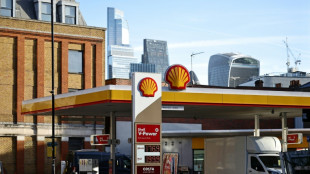
Britain on Monday scaled back its energy bill support for businesses after warning that the current level of assistance was unsustainable for public finances.
The government is currently subsidising energy costs to protect consumers and firms after the invasion of Ukraine by Russia, a key gas supplier, caused prices to soar.
Finance Minister Jeremy Hunt announced Monday that the support for businesses, due to expire in late March, would be overhauled and extended by one year until March 2024.
The Energy Bill Relief Scheme offers help for businesses, the public sector and charity organisations.
It will switch from a fixed price cap to a discount on bills, with energy intensive sectors such as ceramics, steel and glass benefiting from a larger reduction.
"Wholesale energy prices are falling and have now gone back to levels just before Putin's invasion of Ukraine," Hunt said in a ministry statement, referring to Russian President Vladimir Putin.
"But to provide reassurance against the risk of prices rising again we are launching the new Energy Bills Discount Scheme, giving businesses the certainty they need to plan ahead," he said.
The Treasury wants to scale back support after calculating that the current scheme has cost more than £18 billion ($22 billion) so far.
Hunt told business leaders last week that this amount of assistance was "unsustainably expensive" and could not continue.
Extending the existing scheme could potentially "cost tens of billions of pounds" depending on wholesale prices, he said.
The government launched its package last September to partially subsidise energy bills to prevent companies from being forced to close.
It was unveiled under the short-lived administration of former premier Liz Truss, who was succeeded by Rishi Sunak in a Tory leadership contest.
Working with Hunt, Sunak quickly presented a recession budget that reversed many of Truss' tax cuts and other measures, and said spending cuts were needed to ensure financial stability.
Hunt had already reduced the energy help for households in November, lifting a cap on average annual household fuel bills by a fifth, to £3,000, but had left business support untouched.
Business organisations argued that any cut in energy help would prompt heavy job losses and bankruptcies, just as the UK economy is widely forecast to slide into recession this year.
But Tom Thackray of the business lobby group CBI acknowledged that it was "unrealistic to think the scheme could stay affordable in its current form."
"Heavy energy users and those exposed to global trade are among some of the most impacted in the current crisis, so the additional support for these firms is a particularly welcome step," he added.
Energy prices had spiked after Moscow launched its invasion of Ukraine last year, pushing UK inflation to a 40-year peak and sparking a cost-of-living crisis.
But gas and oil prices have fallen sharply from peaks hit at the start of the war.
European gas prices dived last week to their lowest level since before the conflict, as unseasonably warm weather reduced winter fuel demand.
M.García--CPN