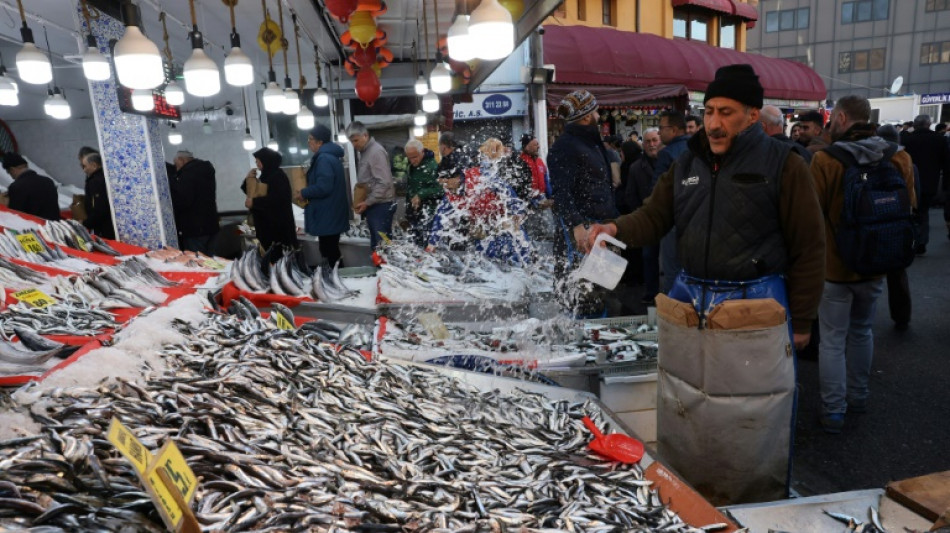
Turkey's inflation rate slows sharply to 64.3% / Photo: Adem ALTAN - AFP

 French economy 'headed for a wall' as GDP shrinks
 South Korea to prosecute students cheating with smart glasses
 Shock, vindication, regret: Scientists react to AI roiling life's work

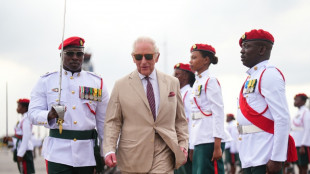 Britain's King Charles lands in ex-colony Guyana

 Dodging fuel price hikes, Damascus drivers turn to electric cars
 Lethbridge students learn how city transit and transportation systems work

 Horoscope for October 30, 2026: communication and patience shape the day

 Inkle buys Finally bookkeeping unit and expands India-based workforce

 ISRO schedules NVS-03 navigation satellite launch for Friday

 'Star Trek', 'X-Men' star Patrick Stewart dead at 86

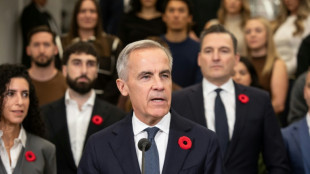 Canada buying stake in AI firm Cohere to bolster tech sovereignty

 Grieving Spain demands answers for latest rail disaster

 Qatar prime minister tours Cityscape Qatar 2026

 Jazeera Paints showcases housing solutions at Build Your House 2026 in Qatar

 Google drags down Wall Street stocks
 Does White House ask AI to shape policy? Democrats want the receipts
 ECB holds rates steady after Lagarde says to quit early

 ECB chief Lagarde to step down early, triggering succession race

 VW says 'no time to lose' to slash costs after 5.8 billion euro loss

 Oil majors reap bumper profits as Mideast war drives prices
Turkey's annual inflation pulled back further in December from a two-decade high, official data showed Tuesday, helping President Recep Tayyip Erdogan's chances in elections due by June.
Consumer prices rose by 64.3 percent in December from the levels at which they stood a year earlier, the state statics agency said, compared to an 84.4-percent year-on-year increase in November.
Analysts attribute the sharp slowdown to the so-called base effect, which makes year-on-year price increases look smaller when compared to extremely high rates 12 months earlier.
The latest reading is still higher than in any another other emerging market except for Argentina.
But it fulfils Erdogan's campaign promise that inflation will start falling at the start of the year after reaching the highest levels since 1998 last year.
Economy Minister Nureddin Nebati blamed last year's record inflation rates on "challenging conditions all over the world" and promised a brighter future.
"In the coming months, all our citizens will sart to feel the cumulative effects of the policies we have been implementing against inflation even more," he tweeted after the data were released.
- Spending splurge -
Turkey's economy has been going through convulsions since Erdogan launched an unusual experiment in September 2021 that tried to fight inflation by bringing down borrowing costs.
The lira began to lose value almost immediately, as consumers rushed to buy up gold and dollars to protect their savings.
The price of imports such as oil and gas soared, creating an inflationary spiral that the nominally independent central bank fed further by continuing to lower interest rates.
The annual inflation rate peaked at 85.5 percent in October 2021.
But polls show that most Turks lost trust in the official data after Erdogan replaced the head of the state statistics agency following a particularly dire inflation report last year.
A separate study released by Turkey's ENAG research institute showed the annual inflation slowing to 137.6 percent in December from 170.7 a month earlier.
The economic crisis forced Erdogan to alter his foreign policy, resuming economic alliances with petrodollar-rich rivals in the Arab world and ramping up trade with Russia, despite its war on Ukraine.
These deals have helped to prop up Turkey's hard currency reserves, allowing it to stabilise the lira.
The government has further forced exporters to convert 40 percent of their dollar revenues into liras, further supporting the Turkish currency.
- 'Very difficult outlook' -
The lira's stabilisation has helped temper the pace of price increases.
But analysts warn that a wave of populist social support measures that Erdogan announced heading into the election make the current economic policies unsustainable.
He has trippled the minimum wage in the past year, raised state salaries and hiked pensions for millions of Turks.
Analysts believe these policies will cost the state billions of dollars, draining the budget and fuelling inflation.
"Turkey faces a very difficult economic outlook after elections, because of the current disastrous policy mix," Timothy Ash of BlueBay Asset Management tweeted.
Erdogan has vowed not to raise the benchmark interest rate, which at nine percent is just a fraction of the annual inflation rate.
O.Hansen--CPN