-
 Malawi's fuel shortages, record prices deepen economic crisis
-
Shock, vindication, regret: Scientists react to AI roiling life's work

-
 The Duskbloods delayed as Nintendo Switch 2 release moves to 2027
-
Britain's King Charles lands in ex-colony Guyana

-
 Tech firms take fresh hit as earnings misses fan AI fears
-
Dodging fuel price hikes, Damascus drivers turn to electric cars

-
 Nvidia's web of AI bets: smart strategy or bubble risk?
-
Lethbridge students learn how city transit and transportation systems work

-
 DoorDash shares rise as Instacart slips following $17 billion takeover plan
-
Horoscope for October 30, 2026: communication and patience shape the day

-
 Amazon cloud business accelerates but shares drop on profit miss
-
Inkle buys Finally bookkeeping unit and expands India-based workforce

-
 PI Industries plans Indian launch of Pioxaniliprole insecticide this rabi season
-
ISRO schedules NVS-03 navigation satellite launch for Friday

-
 Asian equities diverge after mixed technology earnings and Fed rate decision
-
'Star Trek', 'X-Men' star Patrick Stewart dead at 86

-
 Kuwait traffic authority cautions against hazard lights while driving in rain
-
Canada buying stake in AI firm Cohere to bolster tech sovereignty
-
 Utah files criminal charges against prediction market Kalshi
-
Grieving Spain demands answers for latest rail disaster
-
 Kuwait National Guard official visits member injured during training
-
Qatar prime minister tours Cityscape Qatar 2026

-
 CNN Global Perspectives prepares Doha debut with international speaker lineup
-
Jazeera Paints showcases housing solutions at Build Your House 2026 in Qatar

-
 Es’hailSat and Arabsat agree broader satellite and broadcasting cooperation
-
Google drags down Wall Street stocks

-
 ECB says has tools to calm markets as French debt worries rise
-
Does White House ask AI to shape policy? Democrats want the receipts

-
 IMF says engaging with Iraq on preparing new bailout program
-
ECB holds rates steady after Lagarde says to quit early

-
 US economy posts strong growth, inflation stubbornly high in challenge to Trump
-
ECB chief Lagarde to step down early, triggering succession race
-
 French businessman takes over 2030 Winter Olympics amid leadership turmoil
-
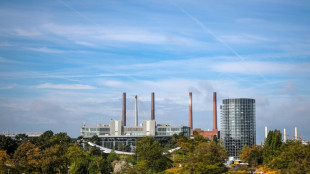
VW says 'no time to lose' to slash costs after 5.8 billion euro loss
-
 Stock markets diverge on corporate earnings, tech jitters
-
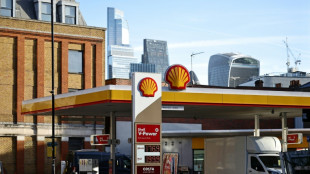
Oil majors reap bumper profits as Mideast war drives prices
-
 TotalEnergies profit hits record on high oil prices
-
Taiwan says Pakistan briefly closed airspace to Taiwanese flights

UK ambulance workers ready to join widening strikes
UK ambulance workers readied to walk out on Wednesday, a day after nurses staged their second stoppage, in a widening dispute with the government which is refusing to cede to above-inflation demands on pay.
The series of walkouts has intensified in the run-up to Christmas, with industrial action by railway workers and passport control officers threatening to ruin festive holiday getaways.
On Wednesday, ambulance staff including paramedics and call handlers go on strike, prompting warnings from healthcare leaders.
London's biggest hospital group said "people giving birth will need to plan how they come into hospital".
"Where people are planning any risky activity, I would strongly encourage them not to do so," said junior health minister Will Quince.
"We never want to alarm people but we have reached the stage where our leaders feel it's necessary to say they cannot guarantee patient safety," said Matthew Taylor, head of the NHS Confederation which represents services including ambulance trusts in England and Wales.
"We're entering into a very dangerous time and this is why we're upping even more our call to the government and to the trade unions to try to find a way of solving this dispute and helping us get through the winter," he told the BBC.
At least three ambulance services declared critical incidents due to "unprecedented" pressure, saying they would prioritise treatment for those most in need, such as life-threatening cases.
Up to 100,000 members of the Royal College of Nursing (RCN) in England, Wales and Northern Ireland took to picket lines on Tuesday, just five days after the first strike in its 106-year history.
Unions representing both National Health Service (NHS) nurses and ambulance workers have threatened further stoppages in the new year if the government keeps refusing to discuss pay.
- 'Grip' -
Employees across the UK economy are demanding salary rises in the face of decades-high inflation -- currently running at nearly 11 percent -- which is spurring the worst cost-of-living crisis in a generation.
But the government insists it must stick to more modest increases for public sector workers recommended by independent pay review bodies.
"The best way to help them and help everyone else in the country is for us to get a grip and reduce inflation as quickly as possible," Prime Minister Rishi Sunak told a watchdog panel of MPs.
On the picket line outside a central London hospital opposite parliament, Mamta Pun, 25, said his stance on the pay dispute was "a slap in the face for all healthcare staff, the general public and patients".
The intensive care nurse at the St Thomas' Hospital, where former premier Boris Johnson was treated in intensive care for Covid-19, said she and her colleagues finished shifts "anxious, scared, terrified" because of their workload.
- 'Cold shoulder' -
The RCN has also criticised Sunak's government for its pay stance and accused Health Secretary Steve Barclay of adopting a "macho" negotiating style during brief meetings held recently.
It has warned that nurses would take wider industrial action next month if the government "keeps giving our nursing staff the cold shoulder as they have to date".
"It's really unfortunate, that come January, we will see more hospitals being involved and striking and that means more nursing staff involved," chief Pat Cullen said.
Ministers plan to draft in 750 military personnel to drive ambulances and perform logistics roles to mitigate the impact of those strikes.
Despite the government's dogged insistence that it will not negotiate over pay, polls indicate the majority of people support the nurses' stance, and to a lesser extent other workers walking out.
However, people were more divided on other industries such as rail workers -- whose walkouts 43 percent supported while 49 percent opposed -- and postal workers, where the split was 49 percent versus 43 percent.
Y.Ibrahim--CPN