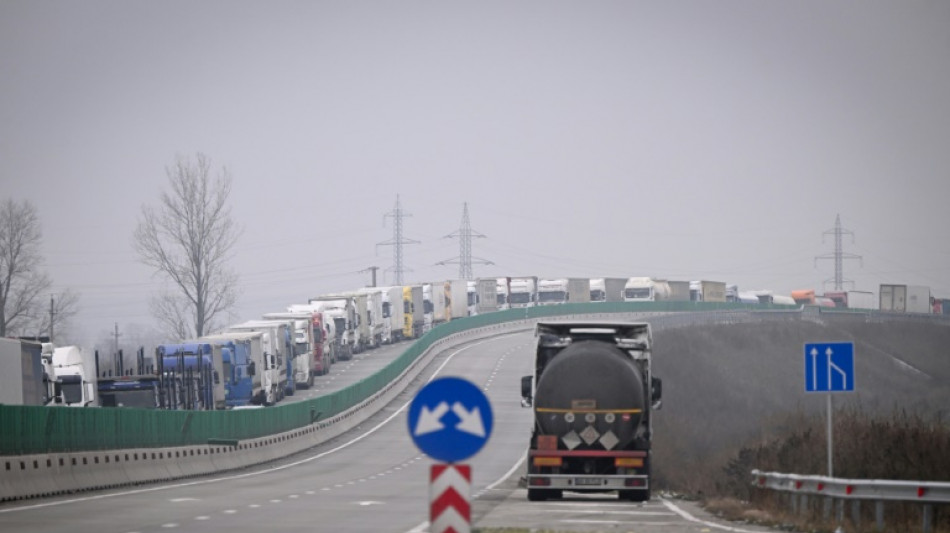
Frustration in Romania and Bulgaria after Schengen rejection / Photo: Daniel MIHAILESCU - AFP

 Dodging fuel price hikes, Damascus drivers turn to electric cars
 Lethbridge students learn how city transit and transportation systems work

 Horoscope for October 30, 2026: communication and patience shape the day

 Inkle buys Finally bookkeeping unit and expands India-based workforce

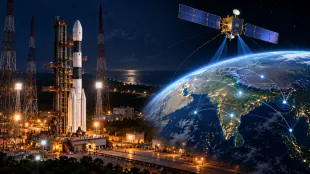 ISRO schedules NVS-03 navigation satellite launch for Friday

 'Star Trek', 'X-Men' star Patrick Stewart dead at 86
 Canada buying stake in AI firm Cohere to bolster tech sovereignty
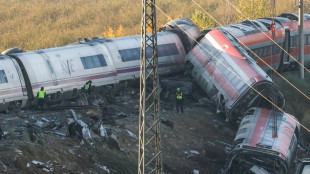 Grieving Spain demands answers for latest rail disaster
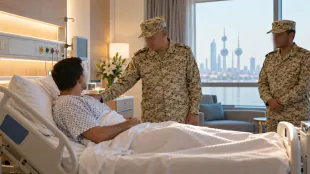
 Qatar prime minister tours Cityscape Qatar 2026

 Jazeera Paints showcases housing solutions at Build Your House 2026 in Qatar

 Google drags down Wall Street stocks
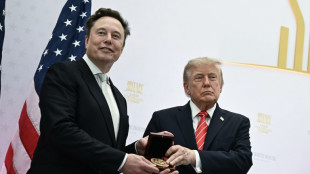 Does White House ask AI to shape policy? Democrats want the receipts
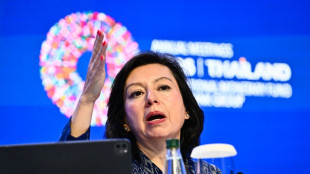
 ECB holds rates steady after Lagarde says to quit early
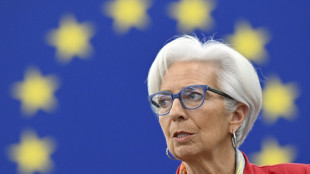 ECB chief Lagarde to step down early, triggering succession race

 VW says 'no time to lose' to slash costs after 5.8 billion euro loss

 Oil majors reap bumper profits as Mideast war drives prices

 Taiwan says Pakistan briefly closed airspace to Taiwanese flights
After more than 10 years waiting to be admitted into the Schengen zone, Bulgaria and Romania were once more turned away after two EU countries vetoed their admission.
Now some observers warn that both countries face a rising tide of euroscepticism as they remain outside the coveted zone through which passport checks are not normally required.
Romanian Prime Minister Nicolae Ciuca spoke of his "profound disappointment" after Austria blocked their admission.
In Bulgaria, President Rumen Radev regretted what he described as the "internal borders" he said were being put up with the European Union bloc.
- Long waits at borders -
Their failure to win admission to the Schengen's vast zone of free movement means that the long lines at various border crossings will continue.
At Giurgiu, for example, on the Romanian-Bulgarian border, a queue of trucks several kilometres begins forming from dawn.
Jaded long-haul drivers speaking to AFP in early December in Giurgiu, on the Romanian side, told of long hours waiting for the customs checks before they could enter Bulgaria.
Alexandru Birnea, 36, a long-haul driver for 13 years, said joining the Schengen zone would improve the lives of thousands of truckers.
"We would like to avoid losing all this time and therefore money in endless queues so that we can get back to our families more quickly," he said.
But his pessimism about the outcome of the vote turned out to be well founded.
- Austria's veto -
The European Commission has long expressed its wish for a widened Schengen zone.
But while tourist hotspot Croatia received the green light on Thursday, Romania and Bulgaria were left out in the cold.
Both countries joined the European Union back in 2007, before Croatia. Both countries met the technical criteria set out by Brussels.
But both countries were asked to make progress on judicial reform and anti-corruption efforts and were monitored for improvements.
When that process ended, both countries were hopeful that they had cleared the final hurdle. improvements.
But Austria hardened its stance, denouncing an influx of asylum seekers that it said could grow if the Schengen zone expanded.
"The migratory flows do not pass through Romania", but mainly through Serbia, Romanian Interior Minister Lucian Bode argued.
He pointing to the nearly 140,000 migrants on the western Balkan route recorded by the European agency Frontex since January.
Prime Minister Ciuca said Austria's refusal was based on "incorrect" figures.
But for political analyst Sergiu Miscoiu, Austria's veto was more a reflection of internal political pressures, given the rise in polls of the far right there.
- Expecting 'the impossible' -
The Netherlands finally changed its position and gave Romania the green-light after long being opposed. But it maintained its concerns about "corruption and human rights" in Bulgaria.
Dutch Prime Minister Mark Rutte said last week that he wanted to be assured that no-one could "cross the border with a 50-euro note".
Bulgarian Interior Minister Ivan Demerdzhiev rejected what he described as "insulting" remarks, especially given the "exceptional efforts" they had made to meet Brussels' demands.
Bulgarian weekly magazine Capital commented: "We expect the impossible from the poorest and most corrupt country in the EU: don't let migrants pass through (the country), but give asylum to every migrant who enters," it remarked.
Romanian president Klaus Iohannis also warned that rejection "might compromise European unity and cohesion, which we so need, especially in the current geopolitical context."
Y.Ibrahim--CPN